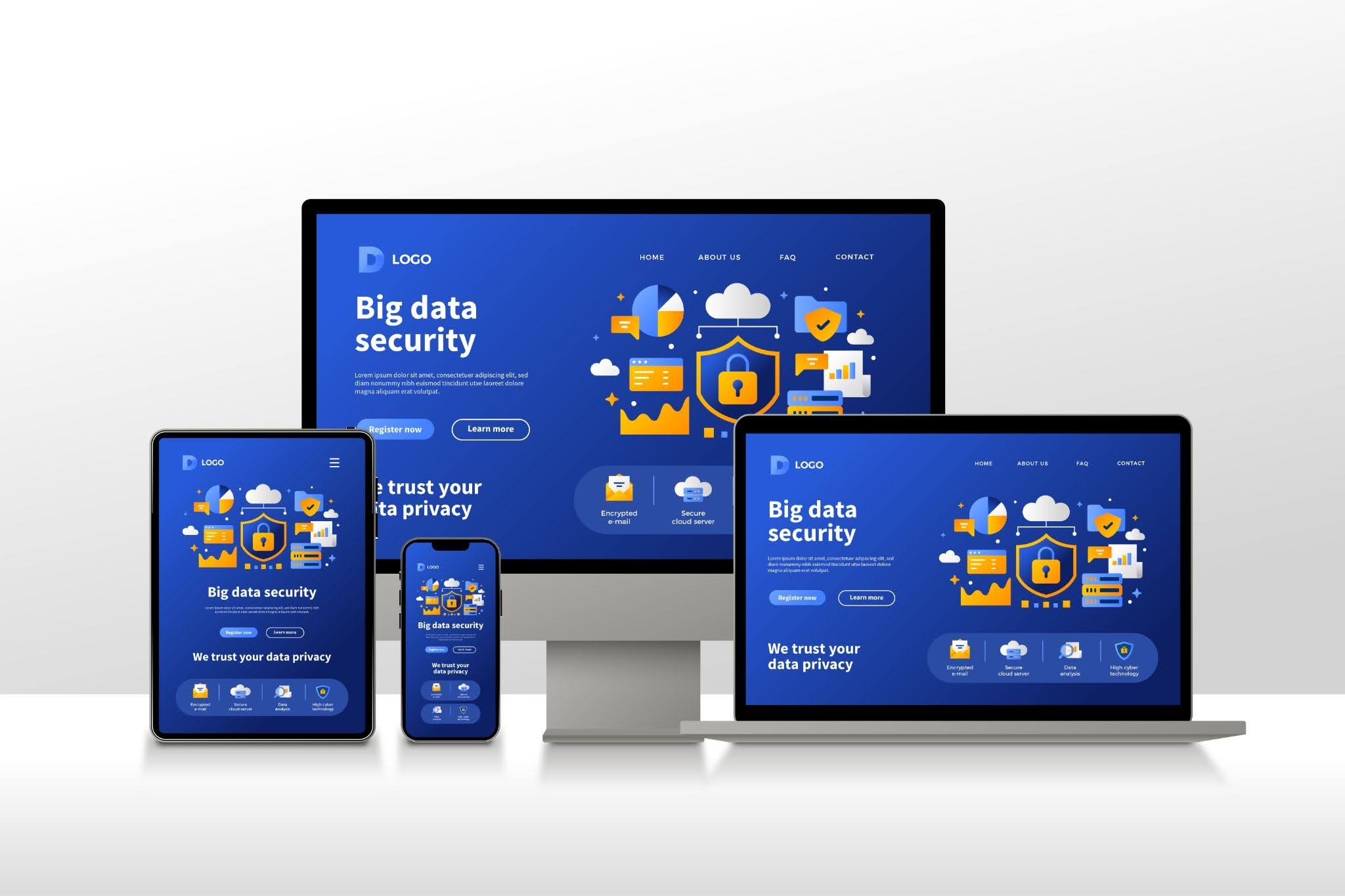

In today’s digital world, almost every business depends on technology to operate smoothly. From online banking and e-commerce to healthcare systems and communication platforms, everything relies on fast and secure data access. A mission critical service data center plays a central role in keeping these systems running without interruption. These facilities are specially designed to store, process, and manage large amounts of data with high reliability and security. Without them, modern enterprises would face frequent downtime, data loss, and serious operational issues.
The Importance of Mission Critical Service Data Centers
A mission critical service data center is important because it ensures continuous availability of digital services. Businesses today operate 24/7, and even a few minutes of system failure can lead to financial loss and customer dissatisfaction. These data centers are built to prevent such risks by offering constant uptime and strong backup systems. They support essential operations such as cloud computing, online transactions, and enterprise applications. In simple terms, they act as the digital backbone that keeps modern organizations connected and functional at all times.
Core Functions That Keep Businesses Running
The main role of a mission critical service data center is to store and manage data securely while making it easily accessible when needed. It processes large volumes of information quickly so that businesses can make real-time decisions. These centers also provide backup systems to protect data from loss in case of hardware failure or cyberattacks. In addition, they ensure smooth communication between different departments and digital platforms within an organization. By handling these core functions efficiently, they allow companies to focus on growth instead of worrying about technical disruptions.
Key Benefits for Modern Enterprises
One of the biggest benefits of using a mission critical service data center is improved reliability. Businesses can operate without worrying about sudden system crashes or data unavailability. These centers also improve performance by ensuring faster data processing and better system response times. Another major advantage is enhanced security, as they use advanced protection methods to guard sensitive information. Moreover, they support scalability, allowing businesses to expand their digital infrastructure as they grow. This flexibility makes them essential for both small companies and large global enterprises.
Challenges and Need for High Reliability
Although mission critical service data centers offer many advantages, they also come with challenges. They require continuous monitoring, advanced equipment, and skilled professionals to maintain smooth operations. Even a small technical issue can affect thousands of users, so reliability is extremely important. Power supply, cooling systems, and cybersecurity must all work perfectly to avoid downtime. Because of these demands, companies invest heavily in maintaining high-performance infrastructure and regular system updates to ensure uninterrupted service.
Conclusion
In conclusion, a mission critical service data center is the foundation of modern digital operations. It ensures that businesses can run smoothly, securely, and without interruption in an increasingly connected world. By providing reliable data storage, fast processing, and strong security, these centers support every major industry today. As technology continues to grow, their importance will only increase, making them an essential part of every successful enterprise strategy.