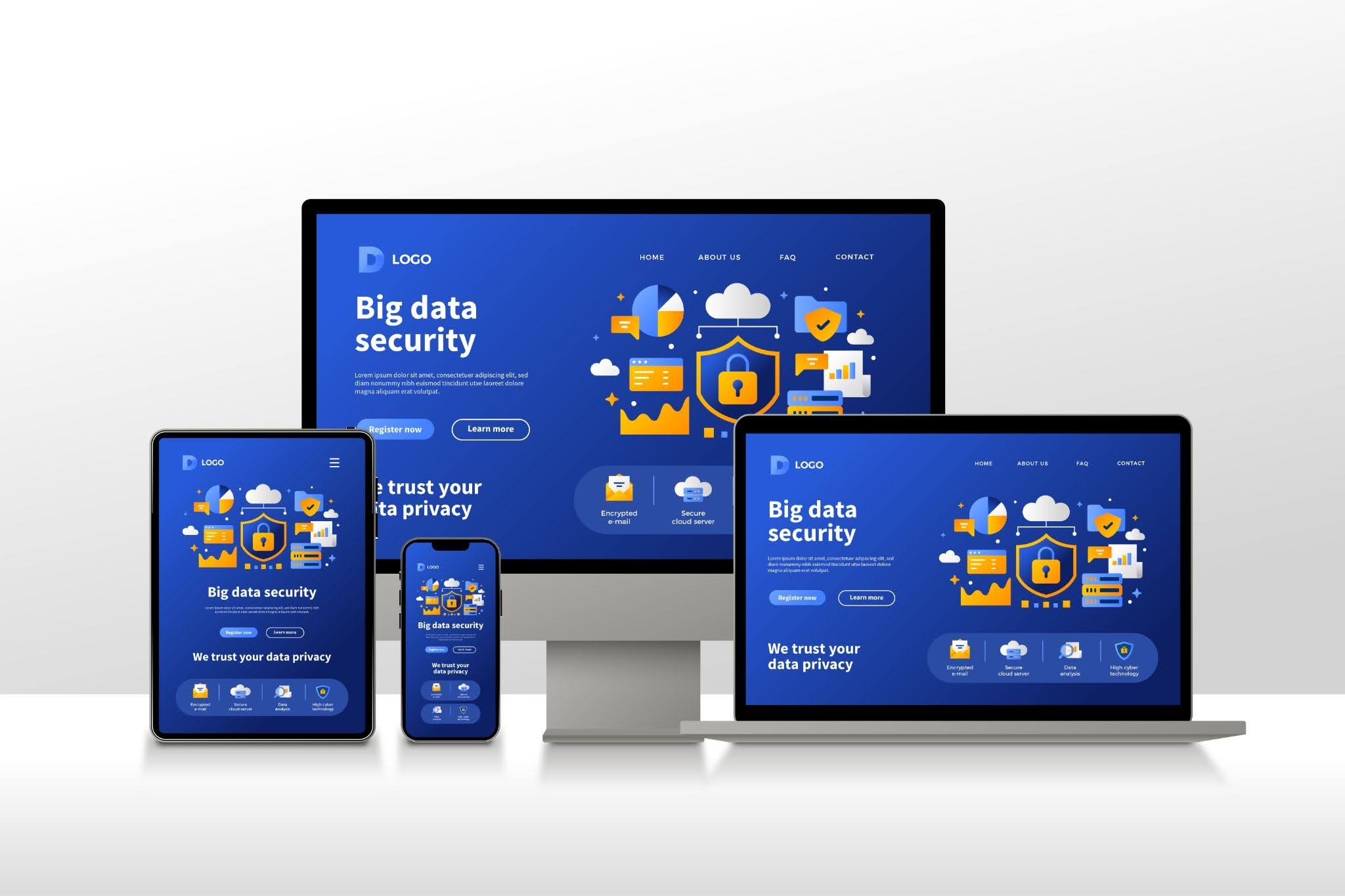

Technology now drives nearly every part of modern business operations. From communication systems to data storage, from customer management to cybersecurity, organizations depend on stable and secure IT infrastructure.
Even a small technical failure can interrupt workflows, delay projects, and cause financial losses. Because of this dependency, many businesses choose to outsource their IT operations to professional providers. These specialists handle system monitoring, cybersecurity protection, software management, and more..
The following are 4 tips highlighting the most important factors to consider when selecting a professional IT support provider. Read on.
Evaluate Technical Expertise and Industry Experience
Technical knowledge is the foundation of managed IT services. A strong team should have experience in handling a wide range of systems, networks, and software environments. This includes cloud platforms, server management, cybersecurity tools, and enterprise applications.
Experience in specific industries is important. Different sectors such as healthcare, finance, retail, and education have unique IT requirements. A provider familiar with your industry understands compliance rules, data handling standards, and operational challenges.
Before making a decision, review the provider’s portfolio and case studies. These documents show how they have handled previous clients and solved technical problems. A proven track record indicates reliability and consistency.
Assess Cybersecurity Standards
Cybersecurity is one of the most critical concerns for modern businesses. Data breaches, ransomware attacks, and phishing attempts can cause severe damage to reputation and finances. A professional IT provider must prioritize security at every level.
A good cybersecurity framework includes firewalls, antivirus protection, and continuous monitoring. These tools help identify threats before they cause harm.
Data encryption is another essential feature. Sensitive business information should be protected both during storage and transmission. This reduces the risk of unauthorized access and data leaks.
Review Service Level Agreements
Service Level Agreements, commonly known as SLAs, define the expectations between a business and its IT provider. These agreements outline response times, support availability, performance standards, and accountability measures.
A clear SLA ensures that both parties understand their responsibilities. It also provides legal protection in case service expectations are not met.
Response time is one of the most important elements of an SLA. Technical issues can occur at any time, and fast response is critical to minimizing downtime. A reliable provider should offer guaranteed response times based on issue severity.
Compare Scalability, Tools, and Technology Stack
Business needs change over time. As companies grow, their IT requirements become more complex. A good IT provider should offer scalable solutions that adapt to these changes without disrupting operations.
Scalability includes the ability to increase storage capacity, expand network infrastructure, and integrate new software systems. Providers should support both short-term needs and long-term growth strategies.
The tools and technologies used by the provider also matter. Modern IT environments rely on cloud computing platforms, automation tools, remote monitoring systems, and advanced analytics. A provider using outdated tools may struggle to deliver efficient services.
Choosing a scalable and technology-driven provider ensures long-term efficiency and smooth business growth.